
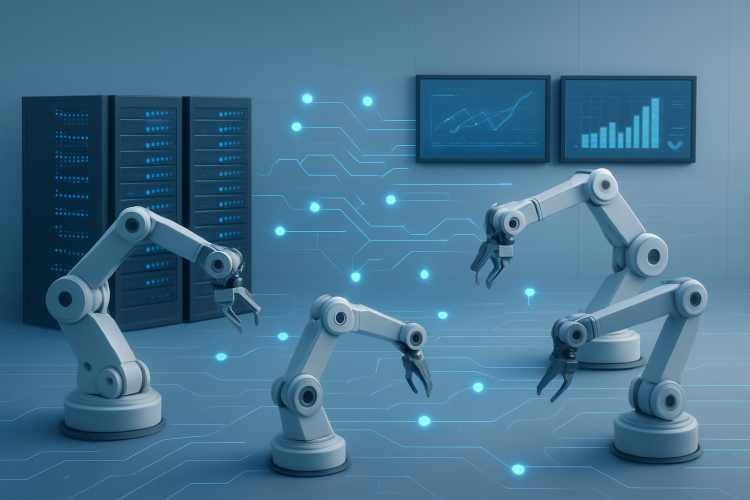
Digital manufacturing continues to transform the industrial sector by improving productivity, increasing flexibility, and enhancing product quality. As customer demands evolve and competition becomes more intense, manufacturers must adopt smarter technologies to remain efficient and competitive. Understanding the latest digital manufacturing trends helps businesses prepare for future challenges while improving operational performance.
From automation to cloud-based collaboration, modern manufacturing technologies are changing how products are designed, produced, and managed.
Increased Adoption of Smart Manufacturing
Smart manufacturing combines digital technologies, automation, and real-time data to improve production efficiency and decision-making.
Real-Time Production Monitoring
Manufacturers now use connected systems to monitor machine performance, production output, and maintenance requirements in real time. This allows businesses to identify issues quickly and reduce costly downtime.
Improved Process Automation
Automation technologies continue to reduce repetitive manual tasks in manufacturing operations. Automated systems improve consistency, reduce human error, and help companies maintain faster production cycles.
Growth of Cloud-Based Engineering Solutions
Cloud technology is becoming an important part of modern manufacturing workflows.
Better Collaboration Across Teams
Cloud-based platforms allow engineering, production, and management teams to access project data from different locations. This improves communication and speeds up decision-making throughout product development.
Easier Data Management
Digital platforms also simplify file storage, version control, and project tracking. Teams can manage design updates more efficiently while reducing confusion caused by outdated files.
Working with an experienced SolidWorks reseller can help manufacturers select the right digital engineering solutions for their operational requirements. Professional support and software guidance can improve implementation and help businesses maximize productivity.
Expansion of Simulation and Virtual Testing
Manufacturers increasingly rely on virtual testing tools to improve product development efficiency.
Faster Product Validation
Simulation technologies allow engineers to evaluate product performance before physical production begins. This helps reduce prototype costs and shortens development timelines.
Improved Manufacturing Accuracy
Virtual testing also helps identify potential production issues early in the design stage. Manufacturers can make adjustments before machining or assembly starts, helping reduce waste and rework.
Focus on Data-Driven Manufacturing Decisions
Manufacturers are now using production data to improve planning and operational efficiency.
Predictive Maintenance
Machine data can help identify maintenance needs before equipment failures occur. Predictive maintenance reduces unexpected downtime and supports more stable production operations.
Smarter Resource Management
Digital manufacturing systems provide better visibility into material usage, machine performance, and production scheduling. This helps businesses optimize workflows and control operational costs more effectively.
As companies adopt advanced engineering technologies, understanding the overall SolidWorks price structure becomes important for long-term planning. Evaluating software features, licensing options, and support services helps businesses choose solutions that align with operational goals and future growth.
Preparing for the Future of Manufacturing
Digital manufacturing continues to reshape modern industrial operations through automation, cloud collaboration, and data-driven technologies. Manufacturers that embrace these trends can improve efficiency, strengthen product quality, and respond faster to changing market demands. By investing in modern digital solutions, businesses can build more flexible and competitive manufacturing operations for the future.