
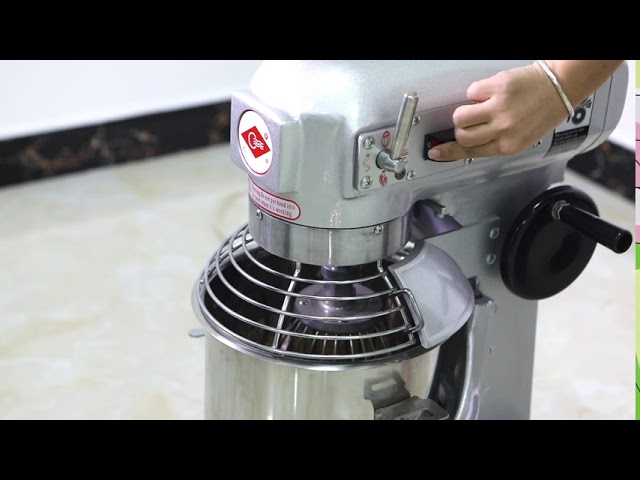

In modern industrial production, stability, precision, and repeatability are essential for achieving high-quality results, and the use of Urethane Planetary Mixers has become a key solution for ensuring reliable performance in urethane manufacturing processes. These advanced mixing systems are widely used in industries such as automotive, aerospace, construction, electronics, and industrial materials where consistent polyurethane blending is critical for product durability and long-term performance.
What are Urethane Planetary Mixers?
What exactly are urethane planetary mixers used for in manufacturing environments? These are specialized industrial machines designed to mix polyurethane components using a planetary motion system that ensures uniform blending of all materials.
The system operates by rotating mixing blades on their own axis while simultaneously revolving them around the mixing container. This dual-motion mechanism ensures that every portion of the material is properly mixed, eliminating inconsistencies and unmixed zones.
Polyurethane materials require precise mixing ratios to achieve optimal chemical reactions. Planetary mixers ensure that all components are evenly distributed, producing consistent and reliable results in every batch.
Why Reliable Performance Matters in Urethane Manufacturing?
Why is reliable performance so important in urethane manufacturing systems? In industrial production, even minor variations in material mixing can lead to defects, structural weakness, or performance failure.
Reliable mixing ensures that every batch meets strict quality standards. This is especially important in industries such as automotive sealing systems, aerospace insulation, and electronics protection, where product failure is not acceptable.
Consistency also reduces waste, improves production efficiency, and enhances overall product reliability. This makes planetary mixers an essential part of modern urethane manufacturing systems.
How Do Planetary Mixing Systems Work?
How does planetary mixing technology ensure stable and reliable performance? The system uses a combination of rotation and revolution to achieve complete material blending.
As the mixing tool rotates, it also moves around the entire container, ensuring that all material is continuously circulated and mixed. This eliminates dead zones and ensures uniform distribution of polyurethane components.
Operators can adjust speed, mixing time, and intensity depending on material viscosity and production requirements. This flexibility allows manufacturers to achieve optimal results across different urethane formulations.
Key Features of Urethane Planetary Mixers?
What features make planetary mixers suitable for urethane manufacturing applications? Several advanced engineering elements contribute to their reliability and efficiency.
The planetary motion system ensures complete mixing coverage. Variable speed controls allow operators to adjust mixing intensity based on material needs. Heavy-duty construction ensures durability in continuous industrial operations.
Advanced control systems enable precise programming of mixing cycles, including speed, direction, and duration. Some systems also include vacuum functionality to remove trapped air, improving material quality and reducing defects.
Each feature is designed to improve consistency, reliability, and performance in urethane manufacturing processes.
Where are Urethane Planetary Mixers Used?
Where are these mixing systems commonly applied in industrial manufacturing? Urethane planetary mixers are used across multiple industries due to the versatility of polyurethane materials.
In automotive manufacturing, they are used for adhesives, sealants, vibration damping materials, and structural components. Construction industries rely on them for insulation foams, waterproof coatings, and protective layers.
The electronics industry uses polyurethane mixtures for potting and encapsulation, protecting sensitive components from moisture, heat, and vibration. Aerospace manufacturers depend on them for high-performance insulation and lightweight structural materials.
Furniture and bedding industries also use these mixers to produce foam products with consistent density and comfort characteristics.
How Planetary Motion Ensures Reliable Performance?
How does planetary motion contribute to reliable manufacturing results? Unlike conventional mixers, planetary systems ensure that every part of the material is continuously engaged during mixing.
The combination of rotational and orbital movement creates a highly efficient flow pattern that eliminates unmixed areas and ensures uniform distribution of all components.
This leads to improved chemical reactions, stronger material properties, and more consistent product output. It also reduces production errors and improves overall manufacturing reliability.
Benefits of Reliable Urethane Mixing Systems?
What are the key benefits of using urethane planetary mixers in manufacturing? One of the main advantages is improved consistency. Every batch is processed under identical conditions, ensuring uniform product quality.
Another major benefit is increased production efficiency. The system can handle large volumes with minimal operator intervention, reducing labor requirements and improving output rates.
Material waste is also significantly reduced due to precise and complete mixing. This leads to cost savings and more sustainable production practices.
Vacuum-assisted systems help eliminate air bubbles, resulting in smoother, stronger, and more reliable final products.
Challenges in Urethane Manufacturing Processes?
What challenges exist in maintaining reliable performance in urethane mixing systems? Despite advanced technology, several factors must be carefully managed.
Material sensitivity is one of the main challenges, as polyurethane components can react to environmental conditions such as temperature and humidity.
System calibration must be maintained regularly to ensure accurate performance. Even small deviations can affect final product quality.
Maintenance is also critical. Mixing chambers and mechanical components must be cleaned and inspected regularly to prevent buildup and wear.
Technological Advancements in Planetary Mixers?
How is modern technology improving urethane planetary mixers? Today’s systems are increasingly equipped with automation and digital monitoring tools.
Programmable control systems allow precise adjustment of mixing parameters. Sensors track temperature, pressure, and material consistency in real time.
Artificial intelligence is being used to optimize mixing cycles and improve reliability. Predictive maintenance systems help identify potential issues before they cause downtime.
Energy-efficient motors and improved mechanical designs are also enhancing performance while reducing operational costs.
These innovations are making planetary mixers more intelligent and dependable for industrial manufacturing.
How to Choose the Right Mixer for Reliable Performance?
How can manufacturers select the most suitable urethane planetary mixer? The decision depends on production scale, material type, and required consistency levels.
High-volume manufacturing requires automated systems with advanced control features. Smaller operations may benefit from compact or semi-automated solutions.
Durability, maintenance requirements, and compatibility with existing production systems should also be considered. Selecting the right equipment ensures long-term reliability and efficiency.
Future of Urethane Planetary Mixing Technology?
What does the future hold for urethane planetary mixers in manufacturing? The industry is moving toward fully connected smart manufacturing systems where machines operate with minimal human intervention.
Artificial intelligence and machine learning will play a key role in optimizing performance and ensuring consistent results. Cloud-based monitoring will allow real-time production tracking and predictive adjustments.
Sustainability will also become increasingly important, with future systems designed to reduce energy use and material waste.
As technology evolves, urethane planetary mixers will continue to improve in reliability, efficiency, and precision across all manufacturing sectors.
Conclusion
In modern urethane manufacturing, reliable performance is essential for producing high-quality and consistent products. Urethane planetary mixers provide the precision, control, and stability required for efficient material processing.
By combining planetary motion, automation, and advanced engineering, these systems ensure dependable results across a wide range of industries. As innovation continues, they will remain a core technology supporting reliable and high-performance urethane manufacturing worldwide.